
The Inescapable Impact: Unraveling Inflation's Grip on Poverty
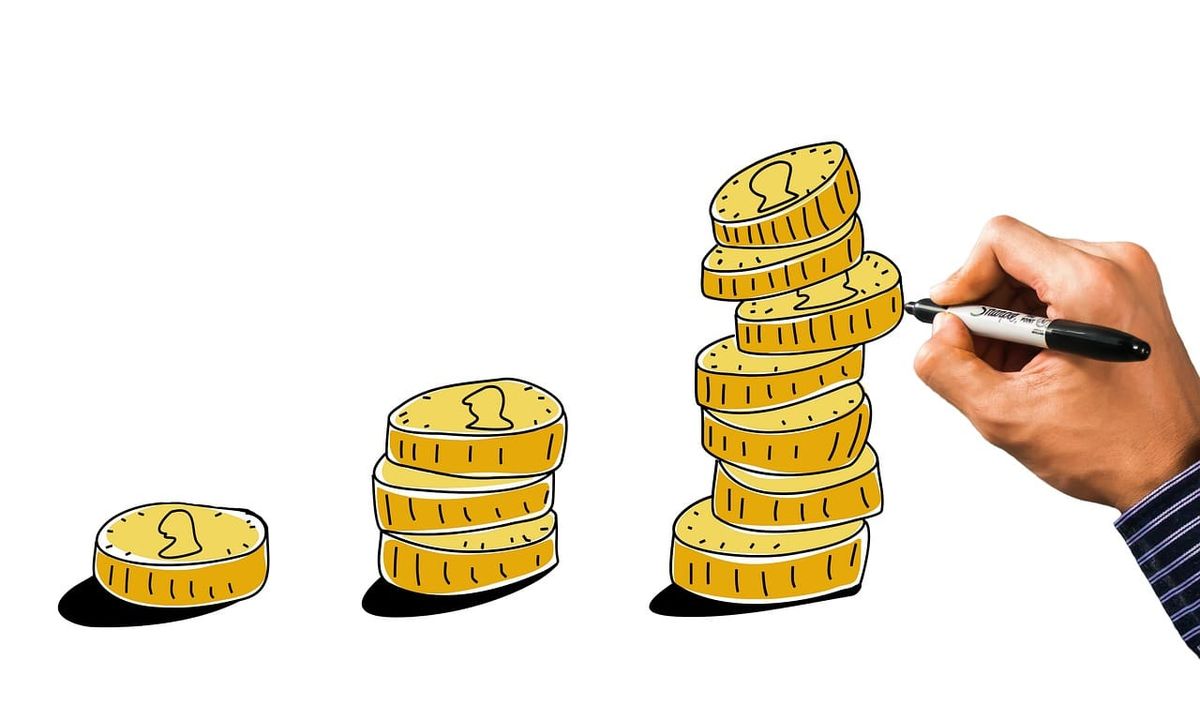
Inflation refers to the sustained increase in overall price level of goods and services over time within an economy. When the supply of raw materials dwindles, production costs surge, fueling inflationary pressures. Similarly, heightened demand for products and services can trigger a rise in prices. Economists also cite the escalating cost of oil as a major contributor to elevated inflation rates, given its pervasive role in manufacturing and distribution processes.
The Intertwined Relationship: Poverty and Inflation
There exists an undeniable connection between poverty and inflation - one that exacerbates the challenges faced by those already struggling to make ends meet. For households subsisting on meager incomes, even minor price hikes for essential commodities like food and fuel can have devastating consequences. Inflation also erodes the real value of minimum wages globally, diminishing the purchasing power and living standards of those reliant on them.
The Disproportionate Burden on the Underprivileged
While affluent households can typically weather inflationary storms, low-income families lack the financial resilience to withstand such shocks. Their vulnerability stems from the inability to command higher wages or access credit during crash crunches. Living paycheck to paycheck, they have no savings to fall back on during tough times.
Moreover, consumer prices for basic necessities often outpace those for luxury items. Low-income earner allocate a more significant portion of their budgets to essentials, amplifying the strain when costs escalate in these areas. For instance, food expenditure accounts for 17% of consumer spending in advanced economies but soars to 40% in sub-Saharan Africa. This disproportionate impact on the impoverished is termed "inflation inequality."
The Harsh Reality: Food Insecurity and Malnutrition
For many living in poverty, food insecurity is already a debilitating reality. The United Nations reported that in 2021, food prices skyrocketed by 22%, reaching their highest level in a decade. This catastrophic surge poses grave risks to food access in numerous countries, including Afghanistan, Venezuela, Haiti, Liberia, Nigeria, and Sierra Leone.
When families cannot afford adequate nutrition, the consequences reverberate across generations. Malnourished expectant mother give birth to underweight infants, compromising their life expectancy and development. Even if a child escapes this fate, malnutrition can impair cognitive abilities, hindering academic performance and future earning potential. Without intervention, these children may become adults trapped in a vicious cycle of poverty and low incomes, perpetuating the generational impact of inflation-induced food scarcity.
The Toll on Child Development
Hunger, undernourishment, and malnutrition can have far-reaching effects on child's physical, emotional, and spiritual growth. A lack of proper nutrition during critical developmental stages can damage organs, impair brain architecture, and hinder the acquisition of essential skills like speech, memory, and cognitive processing.
Moreover, malnutrition shortens life expectancy, increases infant and child mortality rates, and heightens susceptibility to preventable diseases and chronic health conditions. It also breeds insecurity, instability, and heightened stress levels, further impeding a child's overall development. Form the womb the formative years, a child's early needs and the manner in which they are addressed shape their entire life trajectory. For those mired in poverty, inflation can stunt growth across all aspects of development.
Global Conflicts and Their Inflationary Ripples
The ongoing war in Ukraine serves as a sobering reminder of how global conflicts can exacerbate inflationary pressures, disproportionately burdening the world's most vulnerable populations. Russia and Ukraine collectively account for 30% of global wheat exports and 18% of corn exports, primarily shipped through now-closed Black Sea ports. This region plays a pivotal role in the global food system, exporting at least 12% of the world's traded food calories.
According to the International Fund for Agricultural Development, 40% of wheat and corn export from Ukraine are destined for the Middle East and Africa - regions already grappling with hunger issues. Further food shortages or price hikes could ignite social unrest in these areas. Compounding the crisis, higher oil prices will escalate harvesting, transportation, and food processing costs.
The International Monetary Fund (IMF) highlights Africa's particular vulnerability to the Ukraine war's impacts through for main channels: increased food prices, higher fuel costs, lower tourism revenues, and potential difficulties accessing international capital markets. Record-high wheat prices are especially concerning from sub-Saharan Africa, which imports around 85% of its supplies, with on-third from Russia and Ukraine.
The Widening Chasm: Inflation's Role in Exacerbating Income Inequality
Recent research has shed light on a phenomenon dubbed "inflation inequality." suggesting that inflation rates may be higher for low-income households that their high-income counterparts. An implication of this finding is that we may be underestimating income inequality and poverty rates in the United States, as these national statistics heavily rely on the annual inflation rate in their calculation.
According to an adjusted inflation index that accounts for inflation inequality across the income distribution, an estimated 3.2 million more people were classified as living in poverty in 2018 than previously though. Furthermore, real household income for the bottom 20% of the income distribution actually declined by more than 7% since 2004, contrary to earlier estimates. These findings underscore how inflation inequality significantly accentuates both the incidence of poverty and income inequality.
The Regressive Nature of the Inflation Tax
The inflation tax, a concept referring to the erosion of disposable income due to inflation, exhibits a regressive nature. While it may wipe out the savings of the middle class, those already living in poverty pay an insignificant portion of their income as an inflation tax.
For instance, consider the lowest-income quintile of the population. With negligible savings and weekly wage payments, their inflation tax amounts to less than 1% of their income, even with inflation rates below 100% per year. This is because they spend most of their income on immediate necessities, leaving little room for the inflation tax to take effect.
However, as inflation accelerates and wage payment periods shorten, the inflation tax can gradually consume a more significant portion of low-income earners' incomes. For example, when inflation reaches 1,000% per year, even with weekly payments and adjusted spending habits, the inflation tax could erode up to 1% workers's incomes - a seemingly small figure but one that exacerbates an already precarious financial situation.
The Erosion of Real Wages: Inflation's Insidious Impact
Inflation's most detrimental effect of poverty stems from its impact on real wages. Empirical evidence across Latin American countries reveals that nominal wages fail to keep pace with rising prices during inflationary periods. A study encompassing seven nations in the regions between 1977 and 1989 found that real wages declined by 14% when inflation doubled.
This phenomenon is exemplified by episodes of soaring inflation and plummeting real wages in countries like Argentina, Costa Rica, Mexico, Peru, and Uruguay. In Argentina, the percentage people living in poverty in Greater Buenos Aires suged from 6% in 1980 to 22% in 1989, primarily due to declining real wages for both formal and informal sector workers.
Moreover, the costs of inflation for wage earners extend beyond more income erosion. Inadequate indexation mechanisms often results in significant oscillations in real incomes, making it difficult for liquidity-constrained individuals to smooth consumption or preserve the value of their savings.
The Impact of Stabilization of Programs on Poverty
While stabilization programs aimed at curbing inflation are unavoidable in most cases, their implementation can exacerbate poverty in the short term. Reductions in government expenditure and currency devaluations, common components of such programs, can lead to diminished real incomes and heightened unemployment.
However, the severity of the impact on poverty can vary depending on the approach adopted. Both orthodox programs and those employing incomes policies in Latin American have generally failed to alleviate the burden on the impoverished.
In Chile (1974 - 76) and Bolivia (1985 - 86), successful inflation stabilization without incomes policies coincided with significant increases in unemployment and poverty. These nations also experienced dramatic declines in their terms trade, partially explaining the severity of the recessions of poverty spikes.
Conversely, in Brazil (1964 - 65) and Mexico (1988 - 89), where income policies were utilized, the accompanying recessions were less pronounced. However, there is no evidence that these policies benefited the poor. In Brazil income concentration worsened due to policies restraining nominal wages during stabilization. In Mexico, the "social pact" was implemented after five years of recession and significant real wage declines, suggesting limited effectiveness in alleviating poverty.
Regardless of the approach, successful stabilization requires political compromise and the ability to develop institutions capable of concerted action against inflation. Worker's wage demands must be restrained, enterpreneurs must accept lower profits, and taxpayers must should additional burdens - challenging balancing act for both dictatorships and democracies.
Targeted Poverty Alleviation Programs: A Glimmer of Hope
While stabilization programs may excerbate poverty in the short term, targeted poverty alleviation initiatives can provide a glimmer of hope for the impoverished. These programs often combine policies aimed at increasing current consumption with investments to generate future income growth.
Successful examples of Bolivia's Emergency Social Fund (ESF), launched in 1985 to cushion the adverse effects of stabilization and adjustment programs. The ESF provided temporary employment opportunities and bolstered basic social services through small-scale, labor-intensive projects proposed by local governments and non-governmental organizations (NGOs).
Similarly, Mexico's Solidarity Program (Pronasol), initiated in 1988, encompassed initiatives in health, education, nutrition, housing, employment, and infrastructure. By actively engaging beneficiaries in setting priorities and overseeing projects, the program fostered a sense of ownership and empowerment among communities.
While evaluating the full impact of these programs remains challenging, they represent a step in the right direction by acknowledge the disproportionate burden of inflation and economic instability on the impoverished.
The Colombian Approach: A Beacon of Stability and Progress
Amid the economic turmoil that plagued Latin America, Colombia's eclectic system stands out as a beacon of stability and progress. By avoiding extreme protectionism, maintaining reasonable exchange rates through a crawling peg, and eschewing inflationary finance, Colombia experienced sustained growth and averted the spectacular crises witnessed elsewhere in the region.
Long-term data from the turn of the century to 1988 reveals a U-shaped curve for income inequality in Colombia, with a sharp deterioration until the 1960s followed by a gradual improvement. This positive trajectory can be attributed to factors such as the shift of the labor force from agriculture to industry, broader access to formal education, and demographic changes.
Moreover, the Colombian government actively channeled resources to modernize the small farmer sector, narrowing the productivity gap between small and large producers. Efforts to expand access to electricity, reduce rural illiteracy, and implement progressive tax reforms further contributed to raising living standards among low-income families.
Nonetheless, significant challenges persist with income distribution remaining skewed and stark disparities in health and education between rich and poor. Progress has been slow, as the very poor require targeted poverty programs to benefit from neutral economic growth.
Overcoming the Vicious Cycle: A Multifaceted Approach
Combating the vicious cycle of inflation and poverty requires a multifaceted approach that addresses both immediate needs and long-term systemic issues. Governments must prioritize social welfare policies that protect the most vulnerable from rising prices, such as targeted cash transfers, food and in-kind assistance, school feeding programs, and public works initiatives.
Calculating inflation indexes for different income groups can provide valuable insights into the actual inflation experienced by the poor, informing the design of effective social safety nets. International cooperation and communication are also crucial to avoid counterproductive trade restrictions and export bans that can amplify global price increases and push millions into poverty.
Central banks in emerging markets and developing economies must carefully consider the potential effects of their monetary policies on poverty and inequality when curbing inflation. Improving access to financial products that protect real value of assets for poor families can also mitigate the regressive impact of inflation.
Ultimately, sustainable progress requires a holistic approach that recognizes the intricate links between income, health, and education. Investing in female education, given its positive impact on reducing fertility rates and child mortality, can yield long-term benefits in breaking the intergenerational cycle of poverty.
Poverty alleviation also necessitates identifying and replicating successful programs that efficiently target and deliver social services. By learning from initiatives like Bolivia's Emergency Social Fund and Mexico's Solidarity Program, governments can develop tailored strategies that empower local communities and foster a sense of ownership in the development process.
The Path Forward: Embracing Stability and Inclusive Growth
While the challenges posed by inflation and poverty may seem daunting, the experiences of nations like Colombia offer a glimmer of hope. By maintaining conservative macroeconomic policies, investing in human capital, and implementing progressive reforms, countries can pave the way for inclusive growth and a more equitable distribution of prosperity.
Ultimately, the fight against poverty requires a steadfast commitment to economic stability, coupled with targeted interventions that address the unique needs of the most vulnerable segments of society. Only through a comprehensive and inclusive approach can we break the vicious cycle of inflation and poverty, ushering in a future where every individual has the opportunity to thrive and reach their full potential.


