
Understanding Hyperinflation: Causes, Effects, and Strategies to Navigate the Economic Turmoil
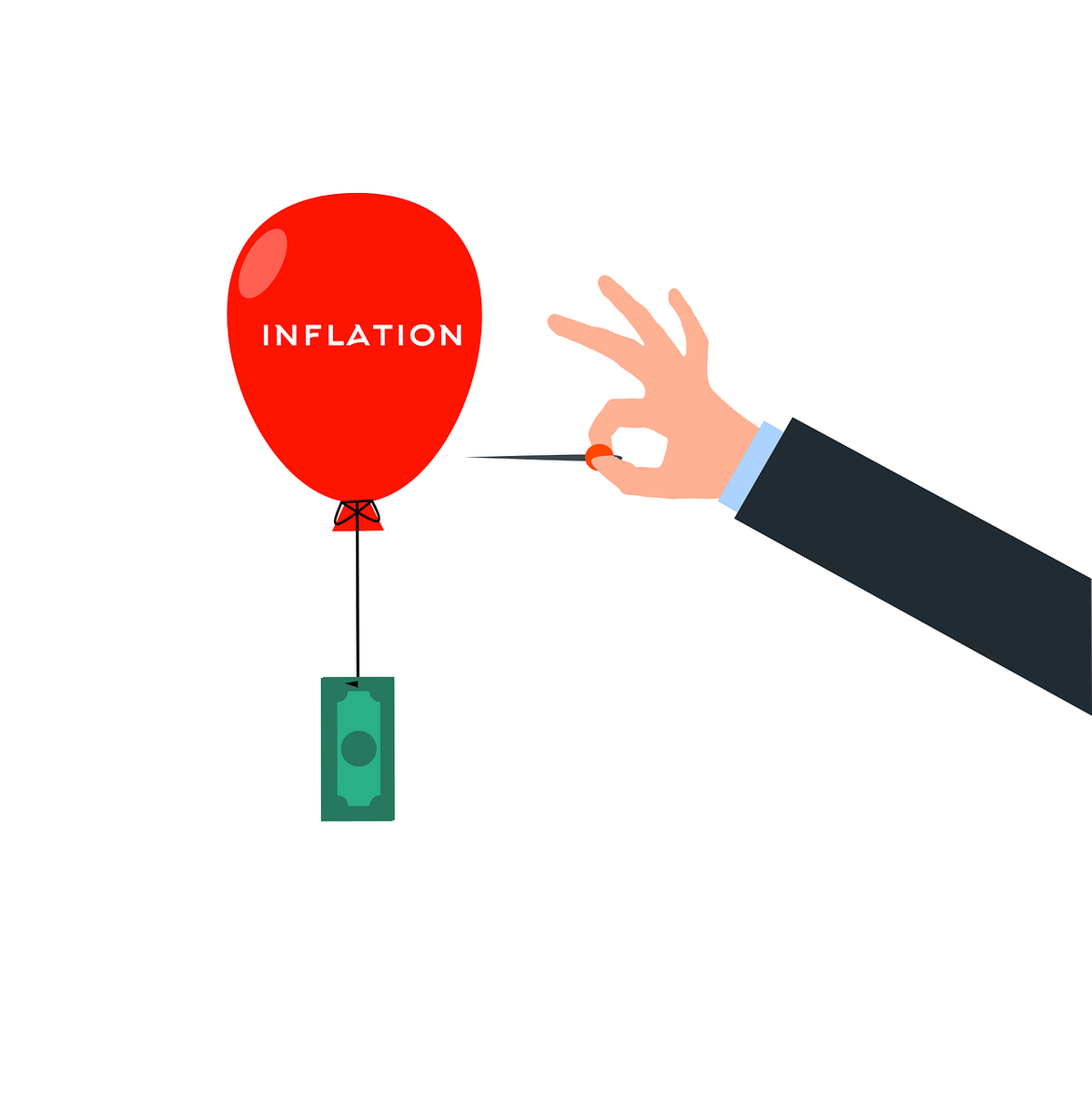
Hyperinflation is a term used to describe an extreme and rapid rise in the general price level of goods and services within an economy. It is characterized by an excessive increase in the money supply, leading to a drastic devaluation of the currency's purchasing power. This phenomenon is typically defined as a monthly inflation rate exceeding a 50% or an annual inflation rate surpassing several thousand percent.
Hyperinflation is a rare but devastating economic event that can have far-reaching consequences for a country's economy, society, and political stability. It erodes the value of money, making it increasingly difficult for individuals and businesses to conduct transactions, save, or plan for the future. The effects of hyperinflation can be catastrophic, leading to widespread poverty, social unrest, and a breakdown of the economic system.
Historical examples of hyperinflation - Zimbabwe and Germany
Throughout history, several countries have experienced the devastating effects of hyperinflation. Two notable examples are Zimbabwe and Germany, which serve as cautionary tales of the severe consequences of unchecked money supply growth and economic mismanagement.
Zimbabwe's Hyperinflation Crisis
In the late 2000s, Zimbabwe experienced one of the worst cases of hyperinflation in modern history. The country's inflation rate reached an astonishing peak of 79.6 billion percent in November 2008, according to the international Monetary Fund (IMF). This economic catastrophe was primarily driven by the government's excessive printing of money to finance its budget deficits and the collapse of the country's productive sectors, such as agriculture and manufacturing.
The effects of hyperinflation in Zimbabwe were devastating. Prices for basic goods and services skyrocketed, making them unaffordable for the majority of the population. The Zimbabwean dollar became virtually worthless, and the country was forced to abandon its currency in favor of the US dollar and other foreign currencies. Widespread poverty, food shortages, and social unrest ensued, leading to a severe humanitarian crisis.
Germany's Hyperinflation if the 1920s
Another well-known example of hyperinflation occurred in Germany during the early 1920s, following World War I. The German government, burdened by the costs of the war and reparations imposed by the Treaty of Versailles, resorted to printing excessive amounts of money to pay its debts. This led to a rapid devaluation of the German mark, with prices doubling every few days.
At its peak in November 1923, the inflation rate in Germany reached an astronomical level, with prices increasing by 20.9 sextillion (that's a number with 21 zeros). The value of the German mark became virtually worthless, and people resorted to carrying their money in wheelbarrows or using it as a wallpaper. The hyperinflation crisis had severe social and political consequences, contributing to the rise of extremist movements and the eventual collapse of the Weimar Republic.
These historical examples serve as stark reminders of the devastating effects of hyperinflation and the importance of maintaining sound economic policies and responsible monetary management.
Causes of hyperinflation
Hyperinflation is a complex phenomenon that can arise from various economic and political factors. While each case may have unique contributing factors, several common causes can be identified:
- Excessive Money Supply Growth: One of the primary causes of hyperinflation is an excessive increase in a country's money supply, often drive by the government's excessive printing of currency to finance its expenditures or pay off debts. This floods the market with too much currency, leading to a devaluation of the currency's purchasing power.
- Loss of Confidence in the Currency: When people lose faith in a country's currency and its ability to maintain its value, they may start to hoard or seek alternative forms of currency or assets. This can create a self-reinforcing cycle of currency devaluation and further loss of confidence, fueling hyperinflation.
- Political and Economic Instability: Hyperinflation is often associated with periods of political and economic turmoil, such as wars, revolutions, or regime changes. These events can disrupt the normal functioning of the economy, leading to a breakdown in production and distribution systems, and ultimately contributing to an excessive increase in money supply and inflation.
- Shortages and Supply Chain Disruptions: Shortages of essential goods and services, often caused by economic mismanagement, natural disasters, or conflicts, can lead to sharp prices increases and contribute to hyperinflationary pressures.
- Debt and Budget Deficits: Governments facing large budget deficits or unsustainable debt levels may resort to printing money to finance their expenditures, leading to an excessive increase in the money supply and fueling hyperinflation.
- Speculative Behavior: In an environment of rising inflation expectations, individuals and businesses may engage in speculative behaviour, such as hoarding goods or assets, further exacerbating inflation pressures.
It is important to note that hyperinflation is typically the result of combination of these factors, rather than single cause. Addressing the underlying economic and political issues is crucial for controlling and reversing hyperinflation.
Effects of hyperinfaltion on the economy and society.
Hyperinflation can have devastating effects on an economy and society, disrupting the normal functioning of markets, eroding the value of savings and incomes, and creating widespread economic hardship. Here are some of the key effects of hyperinflation:
- Loss of Purchasing Power: As prices skyrocket, the value of money rapidly diminishes, making it increasingly difficult for individuals and businesses to afford basic goods and services. This can lead to a severe erosion of living standards and widespread poverty.
- Disruption of Economic Activity: Hyperinflation creates an unstable economic environment, making it challenging for businesses to plan and operate effectively. Investment and production levels may decline, leading to job losses and economic stagnation.
- Hoarding and Shortages: In an attempt to preserve the value of their money, people may begin hoarding goods, leading to shortages and further price increases. This can create a vicious cycle, exacerbating the hyperinflation problem.
- Social Unrest and Political Instability: The economic hardship caused by hyperinflation can lead to widespread social unrest, protests, and political instability. This can further undermine the government's ability to address the crisis and implement effective policies.
- Breakdown of Financial Systems: Hyperinflation can undermine the functioning of financial systems, as the value of money becomes increasingly uncertain. Banks and financial institutions may struggle to operate effectively, and credit markets may seize up, hampering economic growth.
- Erosion of Savings and Investments: The rapid devaluation of currency can wipe out the value of savings, pensions, and investments, leaving individuals and families financially vulnerable and unable to plan for the future.
- Distortion of Economic Indicators: Hyperinflation can distort key economic indicators, such as GDP, making it difficult for policymakers and analysts to accurately assess the state of the economy and make informed decisions.
The effects of hyperinflation can be far-reaching and long-lasting, often requiring significant economic reforms and policy changes to restore stability and confidence in the currency.
Strategies to navigate the economic turmoil caused by hyperinflation
Navigating the economic turmoil caused by hyperinflation can be challenging, but there are several strategies that individuals, businesses, and governments can employ to mitigate the impact and protect their financial well-being:
- Dollarization or Currency Substitution: In some cases, governments may choose to abandon their national currency and adopt a more stable foreign currency, such as the US dollar or the euro. This process, known as dollarization or currency substitution, can help restore confidence in the monetary system and stabilize prices.
- Indexation: Indexation is the practice of adjusting wages, prices, and financial contracts to account for inflation. This can help protect the purchasing power of individuals and businesses, although it may not be a long-term solution in cases of severe hyperinflation.
- Investing in Real Assets: During periods of hyperinflation, individuals and businesses may seek to protect their wealth by investing in real assets, such as real estate, precious metals, or commodities, which tend to retain their value better than cash or financial assets.
- Diversification: Diversifying investments across different asset classes, currencies, and jurisdictions can help mitigate the risks associated with hyperinflation and protect against the erosion of wealth.
- Fiscal and Monetary Policy Reforms: Governments may need to implement significant fiscal and monetary policy reforms to address the underlying causes of hyperinflation. This may include measures such as reducing budget deficits, tightening monetary policy, and implementing structural economic reforms to boost productivity and competitiveness.
- International Assistance and Debt Restructuring: In severe cases of hyperinflation, countries may seek assistance from international organizations, such as the International Monetary Fund (IMF), to access emergency funding and technical support. Debt restructuring or debt relief may also be necessary to alleviate the burden of unsustainable debt levels.
- Increasing Productivity and Competitiveness: Boosting productivity and enhancing the competitiveness of the economy can help mitigate the effects of hyperinflation by increasing the supply of goods and services, and potentially reducing inflationary pressures.
It is important to note that navigating hyperinflation requires a comprehensive approach that addresses both the immediate economic challenges and the underlying structural issues contributing to the crisis.
Lessons learned from past hyperinflation episodes
Throughout history, various countries have experienced the devastating effects of hyperinflation. These episodes have provided valuable lessons that can help policymakers and economists better understand and address this economic phenomenon:
- The Importance of Sound Monetary Policy: Hyperinflation is often the result of excessive money supply growth, highlighting the importance of responsible and disciplined monetary policy. Central banks must maintain credibility and independence to effectively manage the money supply and control inflation.
- Fiscal Discipline and Debt Management: Unsustainable fiscal deficits and excessive government borrowing can contribute to hyperinflation by fueling money printing and eroding confidence in the currency. Governments must exercise fiscal discipline, manage debt levels responsibly, and implement structural reforms to improve economic productivity and competitiveness.
- Confidence in the Currency: Public confidence in a country's currency is crucial for maintaining its value and stability. When confidence is lost, it can lead to a self-reinforcing cycle of currency devaluation and further loss of confidence, exacerbating hyperinflation.
- Political and Economic Stability: Hyperinflation is often associated with periods of political and economic instability, such as wars, revolutions, or regime changes. Maintaining a stable political and economic environment is essential for preventing and addressing hyperinflation.
- The Role of Expectations: Inflationary expectations can play a significant role in driving hyperinflation. If individuals and businesses expect prices to continue rising rapidly, they may engage in speculative behavior, such as hoarding goods or assets, further fueling inflationary pressures.
- The Importance of Credible Policies: To effectively combat hyperinflation, governments must implement credible and consistent policies that address the underlying causes of the crisis. Restoring confidence in the currency and the economic system is critical for stabilizing prices and fostering economic recovery.
- International Cooperation and Support: In severe cases of hyperinflation, international cooperation and support from organizations like the International Monetary Fund (IMF) can provide much-needed financial assistance, technical expertise, and policy guidance to help countries overcome the crisis.
By learning from past hyperinflation episodes, policymakers and economists can better understand the complexities of this economic phenomenon and develop more effective strategies for prevention and mitigation.
The case of hyperinflation in Venezuela
Venezuela's ongoing economic crisis is a stark example of the devastating effects of hyperinflation. The country's inflation rate has reached staggering levels, with the International Monetary Fund (IMF) estimating an annual inflation rate of over 6,500% in 2020.
The roots of Venezuela's hyperinflation can be traced back to a combination of factors, including mismanagement of the country's oil-dependent economy, excessive government spending, and the implementation of strict price controls and currency exchange rate policies. These factors, coupled with political instability and a loss of confidence in the government's economic policies, have contributed to a rapid devaluation of the Venezuelan bolívar.
The consequences of hyperinflation in Venezuela have been severe. The purchasing power of the population has been severely eroded, with basic goods and services becoming increasingly unaffordable. Widespread shortages of food, medicine, and other essential items have led to a humanitarian crisis, with millions of Venezuelans facing poverty, malnutrition, and a lack of access to basic healthcare.
Businesses have struggled to operate in this environment, with many companies forced to shut down or relocate due to the economic instability and uncertainty. Investment and economic activity have plummeted, further exacerbating the crisis.
The Venezuelan government has attempted various measures to combat hyperinflation, including the introduction of a new currency (the "sovereign bolívar") and the implementation of price controls and currency exchange rate policies. However, these measures have largely been ineffective in addressing the underlying structural issues and restoring confidence in the economy.
The situation in Venezuela serves as a cautionary tale of the devastating consequences of hyperinflation and the importance of sound economic policies, political stability, and responsible fiscal and monetary management.
How to protect your finances during hyperinflation
Navigating the economic turmoil caused by hyperinflation can be challenging, but there are several strategies that individuals and families can employ to protect their finances and preserve their wealth:
- Diversify Your Assets: During periods of hyperinflation, it is crucial to diversify your assets across different asset classes and currencies. Consider investing in real assets, such as real estate, precious metals, or commodities, which tend to retain their value better than cash or financial assets.
- Hold Foreign Currency: If possible, consider holding a portion of your savings in a stable foreign currency, such as the US dollar or the euro. This can help protect your purchasing power and provide a hedge against the devaluation of the local currency.
- Invest in Inflation-Indexed Securities: Some governments and financial institutions may offer inflation-indexed bonds or securities that adjust their returns based on the inflation rate. These can provide a measure of protection against the erosion of purchasing power caused by hyperinflation.
- Minimize Cash Holdings: During hyperinflation, cash rapidly loses its value. Try to minimize your cash holdings and convert excess cash into more stable assets or investments.
- Adjust Your Spending and Budgeting: Regularly adjust your budget and spending habits to account for the rapidly changing prices and the erosion of your income's purchasing power. Prioritize essential expenses and look for ways to reduce discretionary spending.
- Consider Alternative Income Sources: Explore alternative income sources or side businesses that can generate additional revenue streams in a more stable currency or asset form.
- Stay Informed and Adaptable: Stay up-to-date on economic developments, inflation rates, and government policies. Be prepared to adapt your financial strategies as the situation evolves.
It is important to note that protecting your finances during hyperinflation requires a proactive and flexible approach. Seeking professional financial advice and staying informed about the latest developments can also be beneficial in navigating these challenging economic conditions.
Government policies to combat hyperinflation
Combating hyperinflation requires a comprehensive set of government policies and interventions aimed at addressing the underlying causes and restoring stability to the economy. Here are some key policies that governments can implement to tackle hyperinflation:
- Monetary Policy Tightening: Central banks may need to implement tight monetary policies to reduce the money supply and curb inflationary pressures. This can involve raising interest rates, reducing government borrowing from the central bank, and implementing strict reserve requirements for commercial banks.
- Fiscal Consolidation and Debt Management: Governments must address unsustainable fiscal deficits and excessive debt levels that contribute to hyperinflation. This may involve implementing austerity measures, reducing government spending, and implementing structural reforms to improve tax collection and revenue generation.
- Currency Reform and Dollarization: In severe cases of hyperinflation, governments may consider abandoning the local currency and adopting a more stable foreign currency, such as the US dollar or the euro. This process, known as dollarization or currency substitution, can help restore confidence in the monetary system and stabilize prices.
- Price Liberalization: Governments may need to remove price controls and allow market forces to determine prices. While this can initially lead to a sharp increase in prices, it can help restore the balance between supply and demand and prevent shortages and hoarding.
- Structural Economic Reforms: Addressing the underlying structural issues that contribute to hyperinflation may require implementing broader economic reforms. These can include measures to improve productivity, competitiveness, and diversification of the economy, as well as reforms to strengthen institutions, governance, and the rule of law.
- International Assistance and Debt Restructuring: In severe cases, governments may seek assistance from international organizations, such as the International Monetary Fund (IMF), to access emergency funding, technical support, and guidance on policy reforms. Debt restructuring or debt relief may also be necessary to alleviate the burden of unsustainable debt levels.
- Restoring Confidence an d Credibility: Ultimately, combating hyperinflation requires restoring confidence in the government's economic policies and the stability of the currency. This may involve implementing credible and transparent policies, effective communication with the public, and building trust through consistent and responsible economic management.
It is important to note that combating hyperinflation is a complex and challenging process that often requires a combination of these policies tailored to the specific economic and political circumstances of a country. Sustained commitment, strong leadership, and a comprehensive approach are essential for successfully addressing hyperinflation and restoring economic stability.
Conclusion: The importance of understanding and preparing for hyperinflation
Hyperinflation is a rare but devastating economic phenomenon that can have far-reaching consequences for a country's economy, society, and political stability. Understanding the causes, effects, and strategies for navigating hyperinflation is crucial for policymakers, businesses, and individuals alike.
By studying historical examples and lessons learned from past hyperinflation episodes, we can gain valuable insights into the complexities of this economic phenomenon and develop more effective prevention and mitigation strategies. Maintaining sound monetary and fiscal policies, fostering political and economic stability, and promoting productive and competitive economies are key to preventing the onset of hyperinflation.
For individuals and families, being prepared and having a plan to protect their finances during periods of hyperinflation is essential. Diversifying assets, holding stable foreign currencies, investing in real assets, and adjusting spending habits can help mitigate the erosion of purchasing power and preserve wealth.
Governments and policymakers must remain vigilant and proactive in addressing the underlying causes of hyperinflation. Implementing credible and consistent policies, restoring confidence in the currency, and seeking international assistance when necessary are crucial steps in combating hyperinflation and restoring economic stability.
Ultimately, the lessons learned from past hyperinflation episodes serve as a stark reminder of the importance of responsible economic management, sound policies, and a commitment to maintaining stability and confidence in the financial system. By understanding and preparing for the possibility of hyperinflation, we can better navigate the economic turmoil and work towards building more resilient and sustainable economies.
To stay informed about the latest developments in economic policy and financial management, consider subscribing to our newsletter or following our social media channels. Our team of experts provides valuable insights and analysis to help you navigate the complexities of the global economy and make informed decisions for your financial future.


